
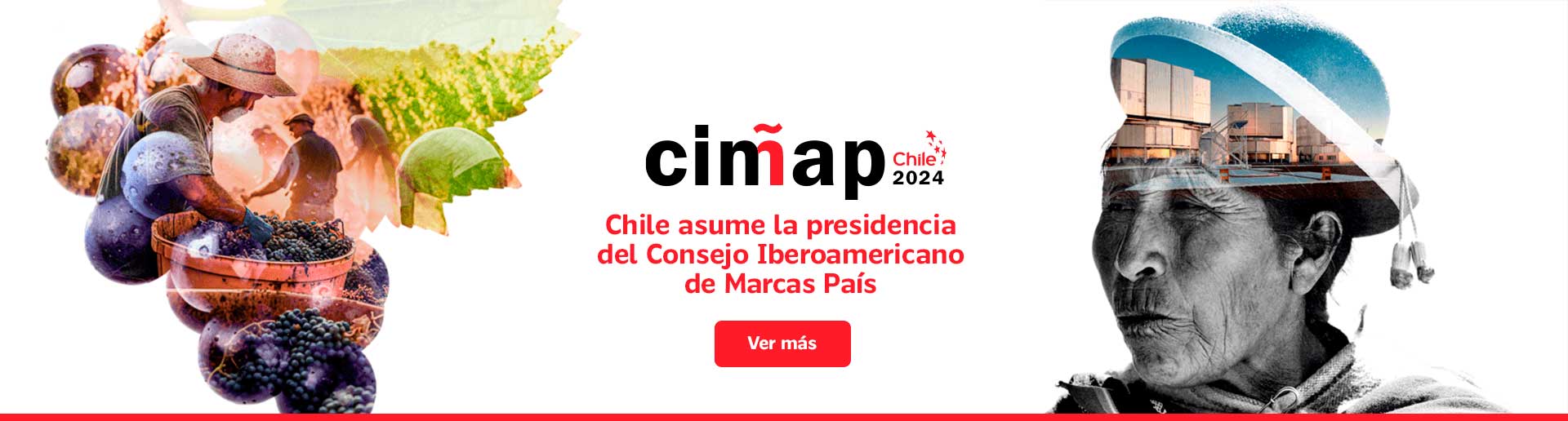
Jaqueline Gil, directora de marketing en Embratur: “CIMAP es la base para trabajar en conjunto el tema de marca país”
Inversión extranjera acumulada en febrero aumentó un 28% anual
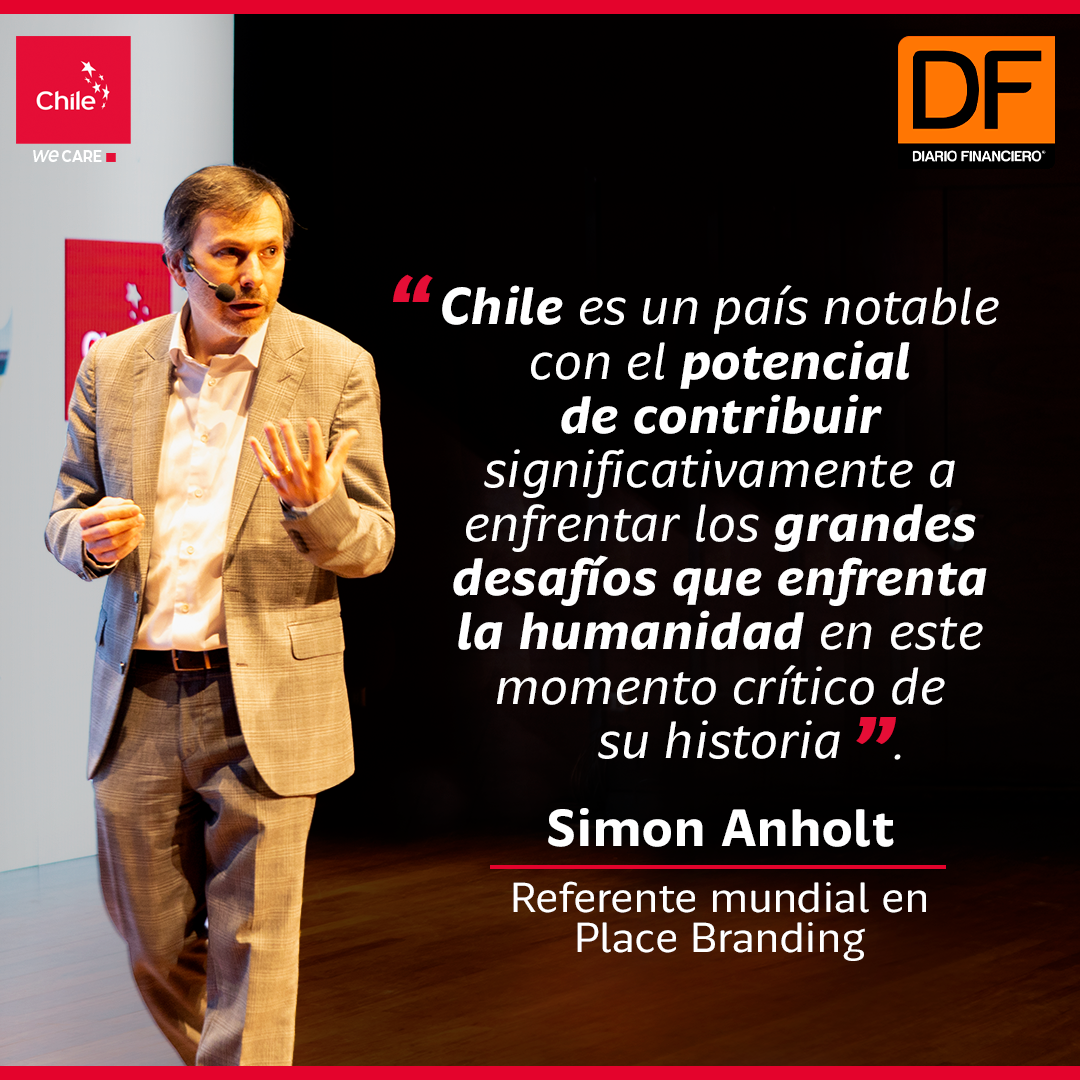
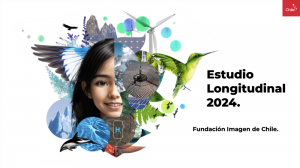
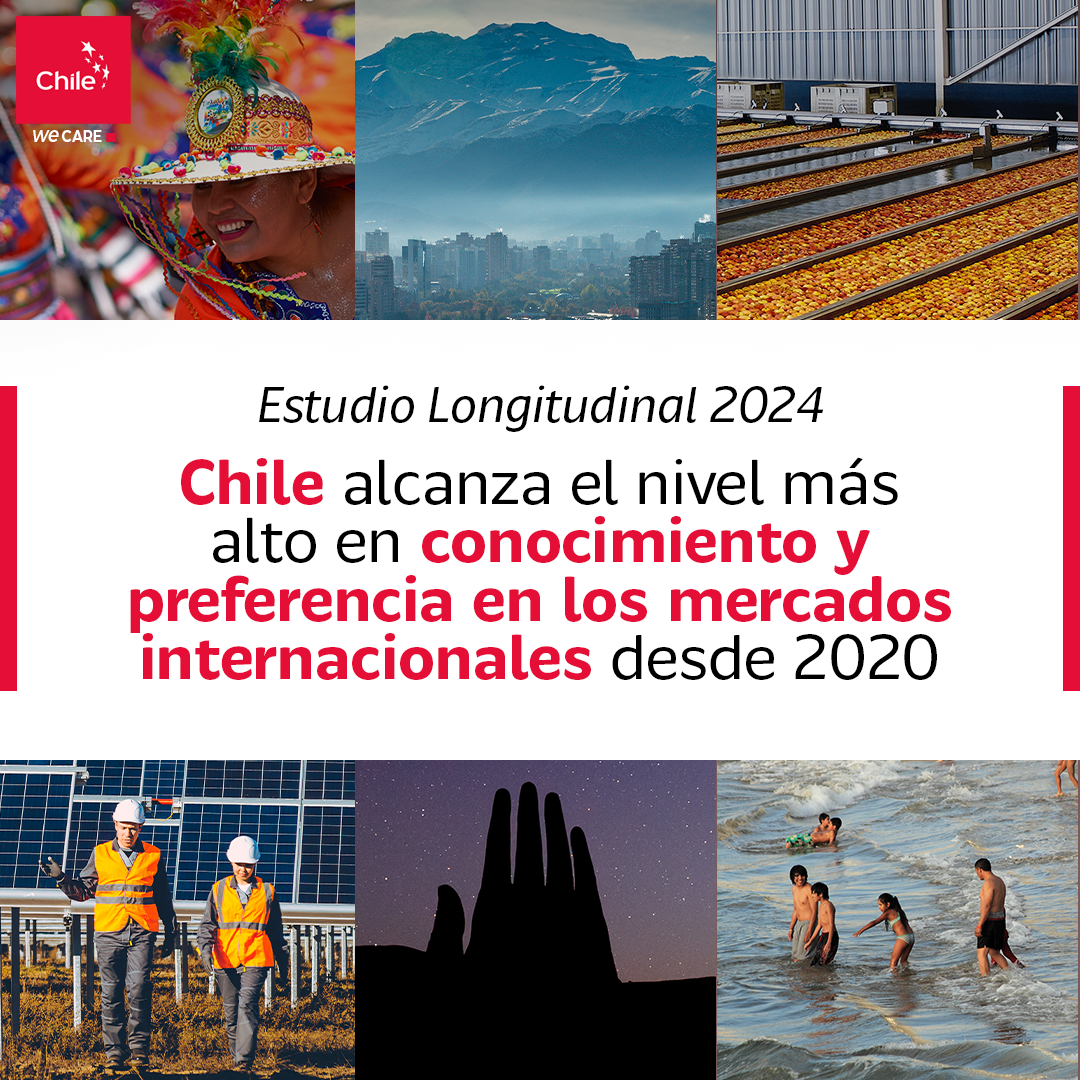
Máximos históricos en conocimiento y favorabilidad: lo que dejó el Estudio Longitudinal 2024
Chiloé: cultura, naturaleza y sustentabilidad
Aeropuerto de Santiago inaugura nuevo espacio comercial “Plaza Chile” en el Terminal Internacional
Gobierno presenta proyecto de ley para dinamizar el sector turismo de manera directa
Columna | Día de las regiones: Hablar de Chile es hablar de diversidad
Más de 330 personas de nueve países serán parte de MICSUR 2024
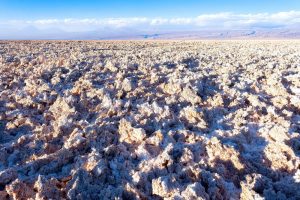
Estrategia Nacional del Litio: Chile anuncia una red de protección de salares y define su explotación
Conoce las historias de chilenas y chilenos que están creando futuro a lo largo de nuestro país, aportando a la calidad de vida, la sustentabilidad y las comunidades de Chile y el mundo.
Ver más
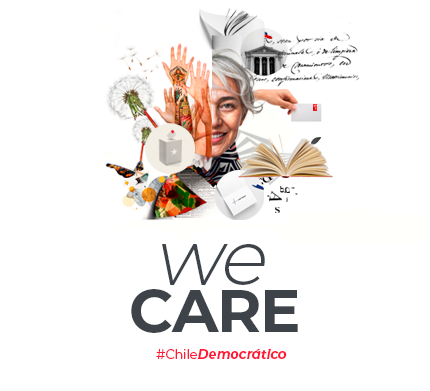
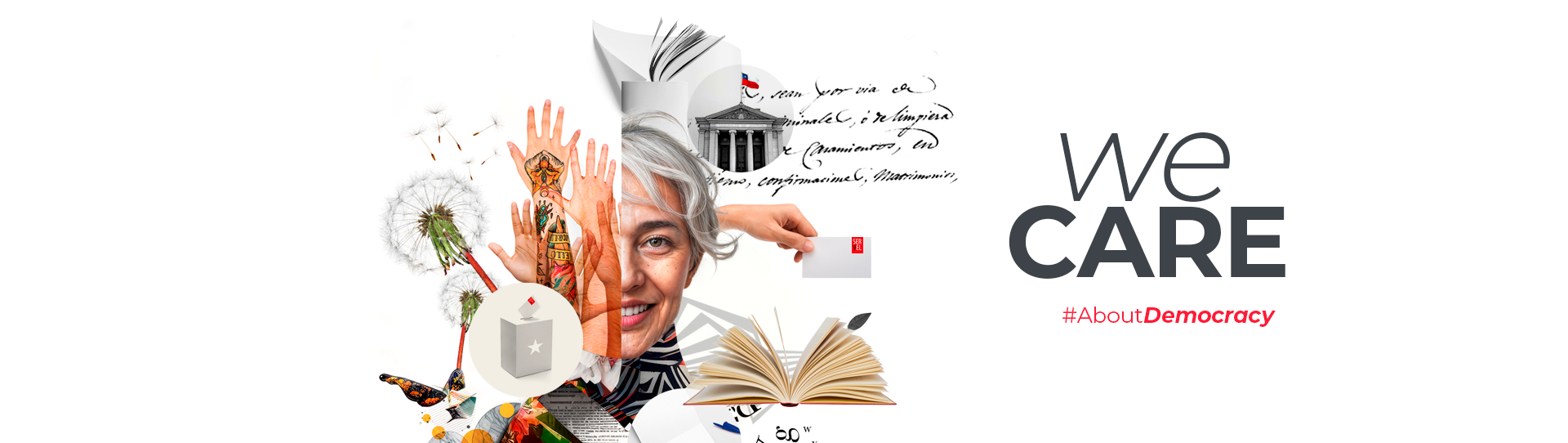
Nuestra campaña We Care muestra a ese Chile capaz de mirar las ventajas y fortalezas, dificultades e incertidumbres, a la cara. Un Chile capaz de hacerse cargo. Un país que, desde donde comienza el mundo, busca aportar respuestas a los desafíos de la Humanidad, apostando por la sustentabilidad, la democracia y la diversidad. Y hoy le decimos al mundo: WE CARE.
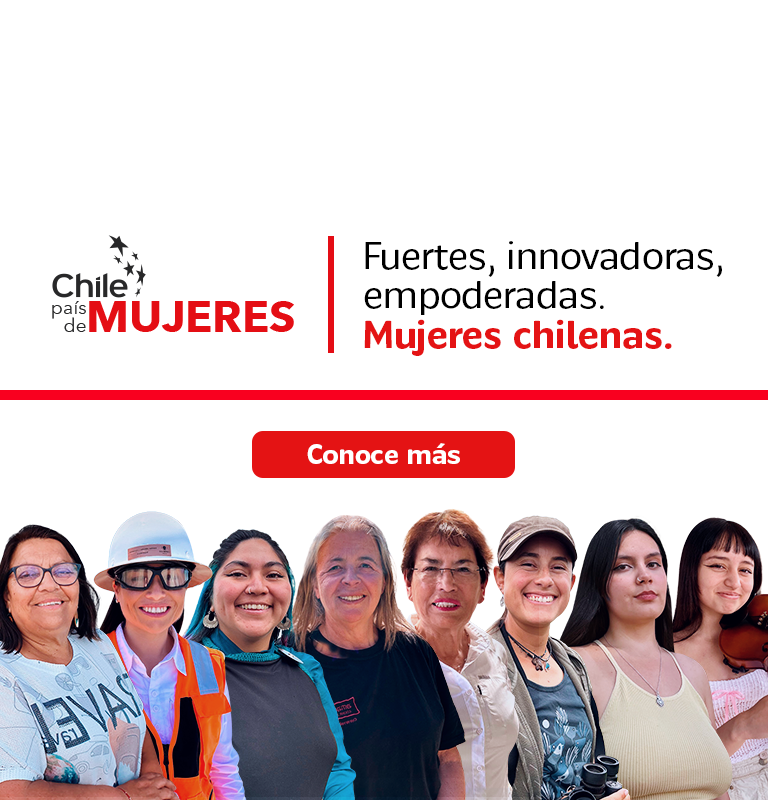
Ver másChile país de mujeres busca plasmar la identidad tanto del país como de sus mujeres. Conoce la historia de 8 chilenas que viven a lo largo del país y que destacan por su brillo, su esencia y su aporte a un Chile diverso. Mujeres con identidad, fuertes, innovadoras, empoderadas, mujeres chilenas.
Ver más